
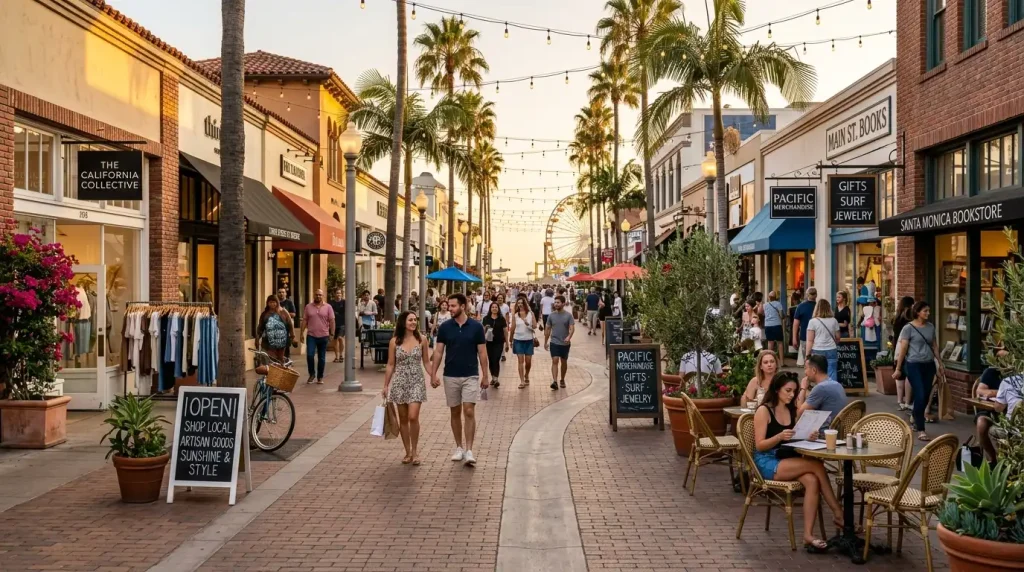
Capturing pedestrian attention requires a shift from traditional wide-net marketing to precise, street-level advertising strategies. In walkable environments, consumer behavior changes dramatically: pedestrians travel at a slower pace, browse spontaneously, and make impulse purchase decisions based on immediate sensory cues. Here is how California small businesses can harness local business pedestrian traffic advertising to boost visibility, increase dwell time, and drive sustainable sales growth.
1. The Economics of Walkability: Why Pedestrian Traffic Equals Higher Revenue
It is a common misconception in retail planning that vehicular accessibility is the primary driver of commercial sales. However, urban planning research repeatedly demonstrates that street improvements prioritizing pedestrians yield significantly higher consumer spending. According to studies on commercial walkability published by MDPI Urban Science Research, enhanced pedestrian environments correlate directly with longer dwell times, higher transaction frequencies, and increased overall merchant revenues compared to auto-centric shopping centers.
When visitors explore on foot, they engage deeply with their environment. Unlike drivers searching for parking, walkers notice storefront aesthetics, smell fresh bakery goods, hear live acoustic music, and react to spontaneous visual prompts. To tap into this lucrative demographic, local merchants must treat the sidewalk as their primary advertising billboard.
2. Geo-Fencing & Mobile Advertising Around Iconic Walking Routes
Modern localized advertising is not limited to physical signage. Small business owners in California can leverage hyper-targeted digital advertising technology known as geo-fencing. By drawing a virtual perimeter around high-traffic walking zones—such as Santa Barbara’s State Street or San Francisco’s Ferry Building Marketplace—businesses can deliver real-time digital ads to smartphones within that exact geographic radius.
Effective Mobile Strategies for Foot Traffic:
- Location-Triggered Coupons: Push micro-targeted mobile ads offering a 10% discount or free sample to pedestrians currently walking within a 3-block radius.
- Local Search Optimization: Ensure your Google Business Profile and Apple Maps listings are fully updated with business hours, high-resolution photos, and current promotions, as mobile users frequently search “near me” while walking.
- Sponsored Walking Routes: Collaborate with local digital publishing platforms and travel sites—such as City Walking Guide—to feature your store as a recommended resting spot, coffee stop, or hidden landmark on self-guided neighborhood walking itineraries.
3. Master the Sidewalk: Experiential & Physical Storefront Tactics
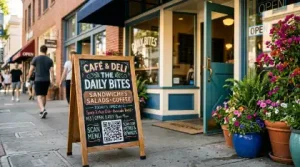
Once pedestrians are nearby, your physical storefront serves as the ultimate point-of-sale conversion tool. The goal is to transition a passive stroller into an active customer through creative visual merchandising and low-friction invitations.
Optimizing the First Impression
Your storefront should clearly communicate what you offer within 3 seconds of visual contact. High-performing tactics include:
- Dynamic A-Frame Signs (Sandwich Boards): Avoid boring static text. Use A-frame signs for humorous daily messaging, weather-appropriate callouts (e.g., “Iced Matcha inside to beat the California heat”), or featured product teasers.
- Interactive Window Displays: Design window displays that encourage photo taking or physical interaction. Adding a QR code directly on the glass lets passersby scan for exclusive discounts or browse full inventory even during off-hours.
- Sensory Marketing: Open store doors during pleasant weather to project inviting smells (roasting coffee, scented candles) or ambient outdoor music into the pedestrian flow.
Furthermore, safety and infrastructure play an essential role in how comfortably pedestrians navigate urban areas. Merchants advocating for wider sidewalks, improved lighting, and safer crosswalks often see a direct lift in foot traffic. Detailed pedestrian safety datasets from organizations like the UC Berkeley SafeTREC Research Center underscore the direct link between infrastructure safety, foot traffic density, and community commerce.
4. Collaborative Neighborhood Marketing: BIDs & Merchant Alliances
Individual small business ad budgets can be tight, but collective advertising creates a powerful magnet for entire shopping districts. California’s most successful walkable zones rely heavily on Business Improvement Districts (BIDs) and local merchant associations to pool resources for joint marketing campaigns.
| Collaborative Strategy | Implementation Example | Primary Business Benefit |
|---|---|---|
| District-Wide Event Crawls | First Friday Art Walks, Wine & Dine Strolls, Sidewalk Sales | Drives high-volume foot traffic during typically slow weekday evenings. |
| Co-Op Passport Programs | Physical or digital stamp cards across 5 neighborhood shops | Encourages cross-shopping between non-competing local merchants. |
| Shared District Signage | Wayfinding banners, pedestrian maps, kiosk advertising | Directs foot traffic off main streets into adjacent side-alley shops. |
5. Measuring & Refining Your Pedestrian Advertising ROI
To ensure your local pedestrian traffic advertising yields a tangible return on investment (ROI), establish simple tracking mechanisms. Without measurement, it is difficult to determine which street-level channels produce sales.
- Custom Coupon Codes: Print unique promo codes on A-frame flyers or mobile geo-fenced ads (e.g., “WALK10”) to track conversions at checkout.
- Door Counter Technology: Install inexpensive infrared foot-traffic counters at your entrance to measure overall daily store visits against total daily sales transactions.
- Customer Inquiries: Train front-of-house staff to ask buyers a simple question: “Did you happen to be walking by, or were you looking for us today?”
Conclusion: Turning Footsteps into Long-Term Customers
In California’s thriving coastal and urban downtowns, foot traffic is one of the most valuable resources a retail business can tap into. By combining hyper-local mobile advertising, eye-catching sidewalk signage, interactive storefront experiences, and collaborative district marketing, local business owners can transform passing pedestrians into loyal, repeat customers. Start small: audit your storefront’s street visibility today, launch a neighborhood promotion, and capture the revenue strolling right outside your front door.