
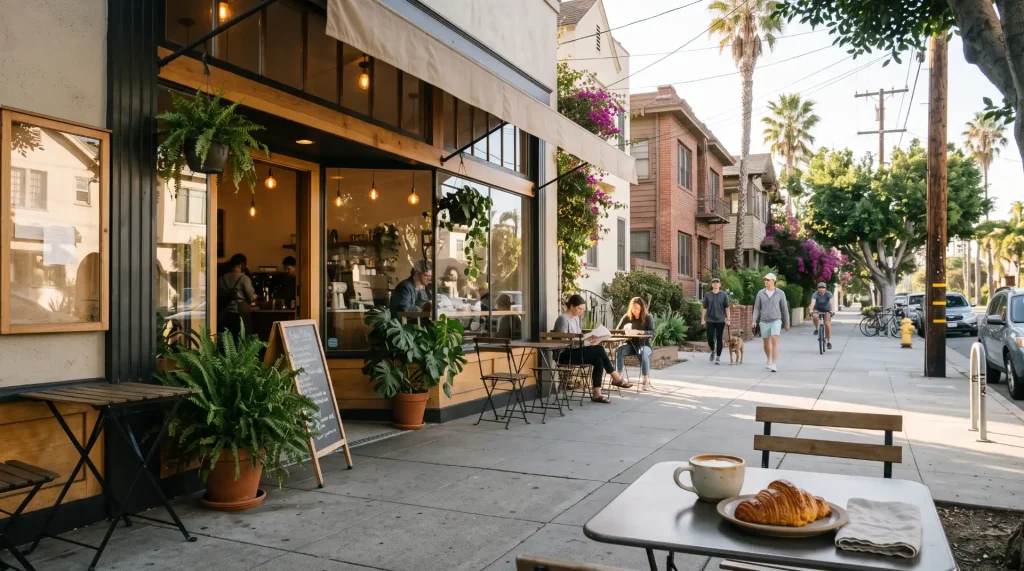
California is a wonderful state to explore on foot, especially when a walking adventure includes good coffee, independent cafés, historic streets, and interesting neighborhood discoveries. From San Francisco’s espresso bars and colorful Mission District streets to Los Angeles’ creative café culture and Sacramento’s lively downtown, the Golden State offers countless opportunities to combine sightseeing with memorable coffee experiences.
A coffee shop walking tour in California is more than a search for the perfect latte. It is a way to discover the character of a neighborhood, meet local business owners, appreciate regional food culture, and experience a destination at a slower pace. Instead of driving between attractions, visitors can walk from one café to another, stopping to admire architecture, browse independent bookstores, explore public art, and enjoy parks along the way.
These experiences appeal to travelers who enjoy specialty coffee, casual food adventures, photography, shopping, and local history. They also work well for residents planning a weekend outing, couples looking for a relaxed date, remote workers exploring a new city, or visitors who want to experience California beyond its best-known tourist attractions.
The best coffee walking routes do not necessarily include the most famous cafés. Sometimes a small neighborhood roaster, a family-run bakery with excellent espresso, or a modest coffee counter on a historic commercial street becomes the highlight of the day. The secret is choosing a walkable district, planning a manageable route, and leaving enough time to enjoy each stop.
This guide explores some of the best California destinations for coffee shop walking tours, explains how to plan your own route, and shares practical advice for discovering local cafés responsibly.
Why Coffee Shop Walking Tours Are Worth Exploring
Coffee shops provide a natural starting point for exploring a city. They are places where residents meet friends, students study, professionals work, and travelers take a break between activities. Visiting several cafés during a neighborhood walk reveals different aspects of local life that may be missed when traveling exclusively by car.
Each stop offers a different experience. One café might specialize in carefully prepared espresso, while another focuses on pour-over coffee, locally roasted beans, or creative seasonal drinks. A bakery café may offer fresh pastries and breakfast sandwiches, while a neighborhood gathering place might feature outdoor seating, community artwork, or a welcoming atmosphere that encourages visitors to stay awhile.
Walking between these businesses adds another dimension to the experience. Travelers notice small details such as historic storefronts, murals, independent retailers, landscaped plazas, and residential streets. They also have more opportunities to discover businesses that are not located directly beside major tourist attractions.
Coffee walking tours can also support local economies. Purchasing a drink or pastry from an independent café helps sustain the businesses that contribute to a neighborhood’s character. Choosing locally owned establishments, buying from small retailers, and respecting residential streets can make a trip more meaningful.
California is particularly suitable for this type of exploration because its communities vary considerably. Coastal towns offer ocean breezes and beachside cafés, larger cities have diverse specialty coffee scenes, and smaller downtown districts combine independent businesses with historic architecture.
For travelers who enjoy discovering places beyond the usual sightseeing checklist, a coffee walk is an easy way to turn an ordinary morning into a memorable local experience.
1. San Francisco: Espresso Bars, Historic Streets, and Neighborhood Culture
Suggested walking time: 2–4 hours, depending on stops and route length.
San Francisco is one of the strongest choices for a coffee shop walking tour because its neighborhoods have distinct identities, compact commercial districts, and extensive public transportation. Visitors can explore traditional espresso bars, contemporary specialty cafés, bakeries, independent bookstores, and historic streets without needing to drive between every stop.
The key is to focus on one neighborhood or a small group of adjacent districts rather than attempting to cover the entire city in one morning.
North Beach: Italian-American Heritage and Espresso Culture
North Beach is a natural starting point for coffee lovers interested in traditional café culture. The neighborhood is known for its Italian-American history, literary connections, restaurants, and walkable streets. Its atmosphere makes it particularly appealing to visitors who want to combine espresso with sightseeing.
Begin your walk around the neighborhood’s main commercial streets, where cafés and bakeries sit alongside restaurants, bookstores, and specialty shops. Order an espresso or cappuccino, take a moment to enjoy the surroundings, and continue toward Washington Square Park.
The park provides a pleasant place to pause and observe everyday neighborhood life. Depending on your route, you can also visit City Lights Bookstore, browse independent shops, and explore nearby streets with distinctive architecture.
North Beach is not completely flat, so comfortable walking shoes are important. Some streets have noticeable inclines, and a route that looks short on a map may require more effort than expected.
Rather than visiting multiple cafés simply to collect drinks, consider making one café your main stop and another your dessert or afternoon break. This approach gives you more time to appreciate the neighborhood without feeling rushed.
The Mission District: Coffee, Murals, and Local Food
The Mission District offers a different atmosphere, with colorful murals, diverse restaurants, independent businesses, and busy commercial corridors. It is a particularly appealing destination for visitors who enjoy photography and cultural exploration alongside specialty coffee.
A walking tour can begin near a major transit stop and continue through the neighborhood’s café-lined streets. Look for coffee shops that offer espresso drinks, cold brew, pour-over coffee, and pastries. Between stops, explore public art and observe the mix of small businesses that gives the district its distinctive character.
Clarion Alley and Balmy Alley are well-known mural destinations. Their artwork provides an opportunity to appreciate community expression and creative traditions while adding variety to a coffee-focused itinerary.
Dolores Park can also be a pleasant stop, particularly when the weather is clear. Visitors can rest, enjoy city views, and take a break before continuing to another café or bakery.
When visiting residential streets, keep noise levels low and avoid blocking entrances or photographing people without permission. Public art and neighborhood businesses are part of a living community, not simply a backdrop for travel photography.
Hayes Valley: Independent Cafés and Design-Oriented Shopping
Hayes Valley is another appealing option for a shorter San Francisco coffee walk. The neighborhood combines boutiques, restaurants, arts venues, landscaped public spaces, and cafés within a relatively compact area.
Start with a morning coffee, then stroll through the surrounding commercial streets to discover local shops and distinctive storefronts. Patricia’s Green offers a useful resting point, while nearby retail businesses provide opportunities to browse products made by independent designers and small brands.
This district works especially well for visitors who prefer a relaxed itinerary rather than a long sightseeing route. It can also be paired with an afternoon performance or a visit to a nearby cultural attraction.
For more neighborhood ideas, consult the official San Francisco neighborhood guide. It provides information about the city’s different districts and can help you choose a route that matches your interests.
Suggested route: Choose one café near North Beach, walk to Washington Square Park and nearby bookstores, or plan a separate Mission District tour that includes murals and a park break. Keep each route focused enough to leave time for sitting down and enjoying your coffee.
 2. Los Angeles: Creative Cafés and Walkable Neighborhoods
Suggested walking time: 2–3 hours per neighborhood.
Los Angeles is often associated with driving, freeways, and long distances between attractions. However, several neighborhoods offer enjoyable walking experiences when visitors concentrate on a small area.
The best strategy is to select one district, identify a handful of cafés within walking distance, and build the day around nearby shops, public spaces, galleries, and restaurants.
Culver City: Coffee and a Compact Downtown
Culver City is a practical choice for travelers who want a neighborhood café experience without attempting a complicated route across Los Angeles. Its downtown area features restaurants, retail businesses, cultural attractions, and places to stop for coffee.
Begin near the downtown commercial district and walk along the surrounding streets, looking for independent cafés and specialty coffee counters. Depending on your preferences, the tour might include a traditional cappuccino, an iced latte, or a seasonal drink paired with a pastry.
The area also offers opportunities to browse bookstores and independent shops. A coffee stop can become part of a broader morning itinerary rather than the sole purpose of the visit.
For example, start with breakfast and coffee, spend 30 minutes browsing a bookstore, and then continue toward another café for a different brewing style. Finish with lunch at a nearby restaurant.
Visitors interested in arts and culture can explore local galleries or check which exhibitions and public events are available during their visit. The combination of food, shopping, and cultural activities makes Culver City suitable for couples, small groups, and solo travelers.
Silver Lake: Specialty Coffee and Neighborhood Character
Silver Lake is a good destination for visitors interested in contemporary café culture, independent businesses, and creative neighborhood settings.
Rather than attempting to cover all of Silver Lake on foot, choose a specific commercial corridor and check the locations of cafés before setting out. This helps avoid unnecessary walking along busy roads or between destinations that appear close but are separated by steep streets.
A relaxed tour could include a morning espresso, a bakery stop, and time to explore small retail businesses. Visitors can also observe the neighborhood’s architecture and enjoy its mix of residential and commercial spaces.
Because Los Angeles can become hot, especially during summer and early fall, an early start is often preferable. Bring water, wear sun protection, and schedule breaks in shaded places.
Pasadena: Historic Architecture and Café Stops
Pasadena provides a different experience, combining historic buildings, shopping streets, cultural attractions, and dining options.
Old Pasadena is especially suitable for a self-guided coffee walk because its commercial streets make it possible to combine café visits with browsing and sightseeing. Begin with coffee near the historic downtown area, then walk past older storefronts, independent retailers, and restaurants.
The district can be particularly enjoyable for visitors who appreciate architectural details. Look for decorative façades, traditional signs, and buildings that reflect different periods in the city’s development.
A practical itinerary might include one coffee stop, a walk through the historic commercial district, a second café visit, and lunch at a local restaurant. If you are visiting on a weekend, check whether markets or community events are scheduled.
Pasadena also works well as part of a broader Los Angeles trip because it offers a distinct neighborhood experience without requiring visitors to spend the entire day in the city’s central districts.
How to Plan a Los Angeles Coffee Walk
Los Angeles is geographically large, so transportation planning matters. Use transit or a rideshare to reach your chosen neighborhood, then complete the main itinerary on foot.
Do not assume that two cafés in different parts of Los Angeles can be connected by a comfortable walk. Check actual walking routes, crossing conditions, and sidewalk availability before committing to an itinerary.
A neighborhood-focused coffee tour is usually more enjoyable than trying to visit cafés scattered across the city.
3. Sacramento: Independent Cafés, Midtown Streets, and Historic Downtown
Suggested walking time: 2–3 hours.
Sacramento deserves a place on any California coffee walking tour list. The state capital offers a combination of historic districts, tree-lined streets, restaurants, independent businesses, and a downtown environment that is well suited to exploring on foot.
Midtown is particularly appealing because its streets feature a mix of cafés, art galleries, restaurants, and eclectic architecture. Instead of treating coffee as a quick stop before another attraction, visitors can make it the foundation of a leisurely neighborhood adventure.
Midtown Sacramento: Coffee and Creative Local Businesses
Start your walk in Midtown, where you can choose a café for breakfast and then explore the surrounding commercial blocks. Look for businesses offering espresso, pour-over coffee, cold brew, or house-made specialty drinks.
The neighborhood’s mix of dining establishments and small retailers makes it easy to build a route around personal interests. A coffee enthusiast might prioritize different brewing techniques, while a traveler interested in local culture may prefer to combine café visits with galleries, murals, and neighborhood shops.
Sacramento’s warm summers make early morning an especially sensible time to begin. During hotter months, plan your longest walking segment before temperatures rise, and look for shaded streets or indoor spaces for breaks.
A simple itinerary could begin with a cappuccino and pastry, continue through nearby commercial streets, include a second coffee stop, and finish with lunch. Leave room for spontaneous discoveries rather than scheduling every minute.
Downtown Sacramento: Coffee Near Historic Landmarks
Downtown Sacramento provides opportunities to pair coffee with state history and civic architecture. Visitors can explore the surrounding streets, admire historic buildings, and stop at cafés between sightseeing activities.
If you are interested in California history, consider incorporating the California State Capitol area into your route. Check visitor access and any restrictions before planning a museum or building visit.
Downtown can also serve as a convenient starting point for visitors arriving by train or staying in central Sacramento. Walking to a café before exploring nearby attractions creates a relaxed introduction to the city.
For additional planning information, the official Sacramento neighborhood guide describes districts including Midtown, Downtown, and East Sacramento. Use it to select a route that fits your available time and preferred sightseeing style.
Coffee and Sacramento’s Farm-to-Fork Identity
Sacramento is widely associated with its regional agricultural resources and farm-to-fork dining culture. A coffee walk offers an opportunity to explore this broader food identity by visiting cafés that emphasize fresh pastries, seasonal ingredients, or partnerships with local bakeries.
Ask staff about the origin of the coffee beans, the roasting process, or the bakery supplying the pastries. Some businesses may provide detailed information about their sourcing practices, while others focus primarily on beverage preparation and service.
Do not assume that every café roasts its own beans or sources every ingredient locally. Instead, treat these questions as a way to learn what makes each business different.
A well-planned Sacramento coffee walk can combine food, architecture, shopping, and history in a way that feels distinctly local.
4. Berkeley and Oakland: East Bay Coffee and Independent Businesses
Suggested walking time: 2–4 hours per neighborhood.
The East Bay is an excellent region for travelers who want to explore coffee shops outside San Francisco’s most familiar tourist districts. Berkeley and Oakland have their own cultural identities, independent commercial areas, and varied food scenes.
Although they are close to San Francisco geographically, each city offers a different walking experience. Plan separate routes rather than trying to fit both into one short morning.
Berkeley: Coffee, Bookstores, and Intellectual Traditions
Berkeley is associated with university life, independent bookstores, cultural activity, and a strong tradition of neighborhood businesses. These features make it an inviting destination for a slow-paced coffee tour.
A walk near the central commercial districts can combine coffee with browsing bookstores, visiting small retailers, and exploring streets influenced by the city’s university community.
Start at a café where you can enjoy a carefully prepared espresso or filter coffee. Then spend time walking through the surrounding streets before selecting a second café or bakery.
Berkeley is also suitable for visitors who prefer to linger. Instead of moving constantly between destinations, spend time reading, journaling, or observing the neighborhood from a café table.
Public transportation can make the trip easier, especially for visitors coming from San Francisco. Check current transit routes and service information before leaving.
Oakland: Neighborhood Cafés and Local Creativity
Oakland offers a diverse range of commercial districts and neighborhood experiences. A coffee walking tour here can focus on independent businesses, local art, food, and historic streets.
Choose a specific district rather than trying to explore Oakland as a whole. Look for a cluster of cafés and nearby attractions that can comfortably be connected on foot.
A thoughtful route might include a specialty coffee shop, a nearby bakery, a public art stop, and a local retail business. This gives the outing a broader cultural dimension while keeping coffee at the center of the experience.
When choosing where to spend your money, consider businesses that are locally owned and rooted in the community. Ask about their coffee offerings, try a house specialty, and avoid treating a busy café solely as a place to take photographs.
Oakland’s neighborhoods can differ substantially in layout, hills, traffic, and pedestrian conditions. Review your route before starting and pay attention to crossings, particularly when walking along major commercial streets.
Combining Berkeley and Oakland With Regional Transit
Visitors staying in the Bay Area can use regional transit to explore different coffee destinations without renting a car for every outing.
However, remember that arriving by train does not automatically make every café nearby. Check the walking distance from the station, the condition of sidewalks, and the location of your next stop.
If you have only one morning available, choose either Berkeley or Oakland. A more focused experience is generally more rewarding than a rushed attempt to visit both cities.
5. San Diego: Coffee Walks With Coastal Character
Suggested walking time: 2–3 hours.
San Diego combines a coastal setting with diverse neighborhoods, shopping districts, restaurants, and independent cafés. Its generally mild climate can make walking enjoyable throughout much of the year, although heat, sunshine, and occasional wet weather still need to be considered.
The best coffee walking tour here depends on whether you prefer a historic urban setting, a neighborhood shopping district, or a seaside atmosphere.
Little Italy: Espresso, Bakeries, and Restaurant Streets
Little Italy is a natural choice for travelers who enjoy combining coffee with food and architecture. Its commercial streets include restaurants, cafés, bakeries, and shops that make it easy to build a relaxed itinerary.
Begin with an espresso or latte, then walk through the neighborhood to browse storefronts and discover another café for a pastry or second drink.
If your visit coincides with a public market or neighborhood event, check the schedule in advance. Such events can add local food vendors and additional stops to the experience, but availability varies by day.
Little Italy is especially convenient for visitors who want to spend a few hours exploring rather than commit to a full-day excursion. It can also be combined with other nearby downtown attractions if your schedule allows.
North Park: Independent Cafés and Neighborhood Shopping
North Park is another option for a coffee-focused outing. Its commercial streets feature restaurants, retail businesses, and a neighborhood atmosphere that encourages visitors to explore at a leisurely pace.
Look for cafés with different specialties rather than selecting stops based only on popularity. One might offer a traditional espresso menu, while another may emphasize alternative brewing methods or seasonal drinks.
Between cafés, browse local shops or pause for a meal. A route with two carefully selected coffee stops and several non-coffee activities will often feel more balanced than a tour designed around drinking as many beverages as possible.
Check the distance between destinations before setting out, and avoid assuming that all streets in the area are equally comfortable for pedestrians.
La Jolla: Coffee and Ocean Views
For visitors who prefer a coastal atmosphere, La Jolla offers a walkable village setting with cafés, restaurants, shops, and access to ocean viewpoints.
Start with coffee in the village, then walk through the surrounding commercial streets before heading toward an accessible coastal viewing area. The combination of coffee, shopping, and sea views makes this an attractive choice for couples, families, and visitors who want to combine food with scenery.
Remember that coastal paths may include stairs, uneven surfaces, or steep sections. Check access conditions before selecting a route, particularly if traveling with children, older adults, or anyone who needs an accessible path.
A seaside coffee tour can also be affected by fog and wind. Bring an extra layer even when inland temperatures are warm.
 6. Santa Barbara: Coastal Streets and Relaxed Café Stops
Suggested walking time: 2–3 hours.
Santa Barbara offers a distinctive setting for a California coffee walk, combining coastal scenery, Spanish-influenced architecture, independent shops, and a compact downtown area.
Its relaxed atmosphere makes it suitable for travelers who prefer a slower itinerary with time for breakfast, shopping, and sightseeing.
State Street: Downtown Coffee and Local Shops
State Street and its surrounding blocks offer a useful starting point for exploring downtown Santa Barbara. Choose a café for your first stop, then walk through the commercial district to discover independent retailers, restaurants, and architectural details.
Depending on the location of your chosen café, you can incorporate public spaces and nearby cultural attractions into the itinerary. This is a good opportunity to enjoy the city without rushing from one landmark to another.
For example, begin with a latte and pastry, spend time browsing local shops, and stop at another café later in the morning. If you prefer a more substantial meal, make the second stop a bakery or breakfast restaurant instead.
Check local transportation information before arriving, particularly if you are planning to connect the downtown walk with the waterfront.
Combining Coffee With a Waterfront Walk
A coffee tour can be extended toward the waterfront if the walking distance suits your group. Pick up a takeaway drink where permitted, then continue along an appropriate public pedestrian route.
For a broader coastal itinerary, see the existing City Walking Guide article, Discover California’s Most Scenic Waterfront Walks. It discusses destinations including Santa Monica, Monterey Bay, San Francisco’s Embarcadero, and Long Beach.
Combining a café visit with a waterfront walk allows you to experience two sides of California’s urban culture: the everyday life of neighborhood businesses and the scenic appeal of the coast.
Be sure to dispose of cups and other waste responsibly. If you carry a takeaway drink onto a public path, use a reusable cup when practical and avoid leaving litter on beaches or in parks.
7. How to Choose the Best Coffee Shops for Your Walking Tour
A successful coffee shop walking tour depends on more than choosing cafés with attractive interiors or high online ratings. The best stops should fit your route, preferences, budget, and available time.
Look Beyond Popularity and Social Media
Social media can help travelers discover coffee shops, but a café’s popularity does not necessarily mean it will suit your needs. A well-known location might have long lines, limited seating, or a menu that does not match your preferences.
Read recent reviews for practical information about service, opening hours, prices, noise levels, and seating. Look for comments that describe the actual coffee rather than focusing exclusively on décor or photo opportunities.
Consider whether you prefer a traditional espresso bar, a specialty roaster, a quiet place to read, or a lively café with outdoor seating. These differences matter more than simply choosing the most photographed business.
Explore Different Brewing Methods
One of the most enjoyable aspects of a coffee walking tour is comparing how different cafés prepare their drinks.
Espresso-based drinks such as cappuccinos, lattes, and Americanos are common across California. Some cafés also specialize in pour-over coffee, batch-brewed filter coffee, cold brew, or seasonal beverages.
If you want to compare coffee quality, order a similar style at two different cafés. For example, a pair of Americanos may provide a clearer comparison than ordering a sweet seasonal latte at one stop and a black pour-over at another.
Ask the barista which coffee they recommend and whether they can explain its flavor profile. Many coffee professionals are happy to describe differences in roast, origin, and preparation when the café is not too busy.
Support Independent and Neighborhood Businesses
Independent cafés often contribute significantly to the character of a walkable district. They may host community events, display work by local artists, sell beans roasted by regional businesses, or provide gathering spaces for residents.
You do not have to avoid national coffee chains entirely. They can be useful for familiar menus, consistent pricing, or convenient restrooms where available. However, a tour focused on neighborhood discovery should include businesses that offer something distinctive about the area.
The goal is not to declare one type of café superior. It is to use coffee as a reason to explore a city’s variety of businesses and local traditions.
Check Accessibility Before You Go
Not every historic neighborhood has smooth sidewalks or level streets. Hills, stairs, construction, crowded sidewalks, and uneven paving can affect the accessibility of a walking route.
If you use a mobility aid or need a step-free route, check individual café entrances and nearby pedestrian infrastructure. A business may be located on a walkable street but still have an entrance that is difficult to access.
When possible, contact the café directly to confirm accessibility, seating arrangements, and available facilities.
8. How to Plan a Self-Guided Coffee Shop Walking Tour
You do not need to book a formal guided tour to enjoy California’s café culture. With a little preparation, you can design your own route around the coffee shops and neighborhood attractions that interest you most.
Step 1: Choose One Neighborhood
Start with a specific district rather than an entire city. North Beach in San Francisco, Old Pasadena, Midtown Sacramento, Little Italy in San Diego, and downtown Santa Barbara are examples of areas where a neighborhood-focused itinerary can combine cafés with other attractions.
Choosing one area reduces transportation time and makes it easier to adjust the route if a café is closed or unexpectedly crowded.
Step 2: Select Two to Four Coffee Stops
For most visitors, two to four cafés are enough for a relaxed morning tour. The appropriate number depends on walking distance, drink sizes, meal plans, and how long you want to spend at each business.
Treat the itinerary as a series of experiences rather than a checklist. One excellent café visit followed by an interesting walk can be more rewarding than four hurried stops.
Check the opening hours of each business before finalizing the route. Some cafés open early, while others start serving later in the morning. Hours may differ on weekends and holidays.
Step 3: Add Non-Coffee Attractions
Plan one or two activities between café visits. These might include a historic building, a bookstore, a mural, a public park, a market, or a waterfront viewpoint.
For more ideas, read Hidden Gems to Discover While Walking Through California Cities. The article explores the value of finding independent businesses, public art, neighborhood parks, and lesser-known streets.
Adding non-coffee stops creates a more varied itinerary and gives you time to enjoy each drink without consuming too much caffeine.
Step 4: Check the Actual Walking Route
Use a current mapping service to check the distance between each destination. Review street crossings, hills, construction, and the availability of pedestrian paths.
A route that looks short on a map may involve a steep climb or a busy intersection. Whenever possible, choose streets with sidewalks, safe crossings, and enough space for your group.
If a walking route crosses several neighborhoods, consider whether public transportation can shorten an inconvenient section.
Step 5: Set a Realistic Budget
Coffee prices vary by city, café, drink size, and preparation method. Specialty drinks, alternative milks, pastries, and food can add up quickly.
Before leaving, decide how much you want to spend. You might purchase a full drink at your favorite café, choose a smaller espresso at another, and share a pastry with a companion.
A coffee walk does not have to be expensive. Some of its best moments come from browsing a neighborhood, appreciating its architecture, and sitting in a public space between stops.
Step 6: Leave Room for Discoveries
Do not schedule every stop so tightly that an unexpected discovery becomes an inconvenience. You might find a bakery with a tempting seasonal pastry, a small bookstore worth exploring, or a public art installation that deserves more time.
Build flexibility into your itinerary. If one café is unusually busy, move to the next stop or extend the walking portion of the tour.
The best self-guided coffee walks balance planning with curiosity.
 9. Coffee Walking Tour Tips for Different Types of Travelers
California’s café districts appeal to a wide range of visitors, but the ideal itinerary depends on who is traveling and what they want from the experience.
For Couples and Friends
A coffee walking tour can be a relaxed alternative to a traditional restaurant date. Choose a neighborhood with two cafés, independent shops, and a park or scenic viewpoint.
Start with breakfast, walk through the district, and choose another café where you can sit and talk. If you are visiting a coastal town, consider finishing near the waterfront.
Avoid packing the schedule with too many destinations. The best part of a coffee walk is often having enough time to enjoy the company and atmosphere.
For Solo Travelers
Traveling alone makes it easier to change plans spontaneously. You can spend extra time in a bookstore, ask a barista for a recommendation, or choose a café based on its menu rather than coordinating with a group.
Bring a book or journal if you enjoy spending time in cafés. If you plan to use a laptop, check whether the business welcomes extended stays and whether seating or power outlets are available.
Be mindful of busy periods. During a crowded breakfast rush, purchasing a drink does not necessarily entitle you to occupy a table for several hours.
For Families
Families can enjoy coffee walks too, especially when the itinerary includes parks, bakeries, and other activities that appeal to children.
Choose shorter routes with convenient restrooms, accessible sidewalks, and places to take breaks. A single coffee stop followed by a park visit may be more enjoyable than a long tour with several indoor stops.
Check whether cafés have appropriate seating and food options for your group. Strollers may be difficult to maneuver through narrow entrances or crowded interiors, so confirm access where necessary.
For Remote Workers
Some travelers want to combine sightseeing with a few hours of work. A café can provide a change of scenery, but not every business is designed for extended laptop use.
Check the café’s seating policy, Wi-Fi availability, and electrical outlets before settling in. Purchase food or drinks in proportion to your stay, and avoid occupying large tables during peak periods if smaller groups need the space.
A practical approach is to complete your walking tour first and then choose one suitable café for a defined work session. This keeps the outing enjoyable without turning every stop into an improvised office.
10. The Best Time of Year for California Coffee Walking Tours
California’s varied geography means there is no single best season for every destination. Coastal cities, inland valleys, and urban neighborhoods experience different temperatures, fog patterns, rainfall, and seasonal crowds.
Spring: Comfortable Weather and Outdoor Seating
Spring is often a pleasant time to explore California’s neighborhoods. Many destinations offer comfortable walking conditions, and cafés with patios or sidewalk seating can be especially inviting.
Mornings may still be cool near the coast, so bring a light jacket. Inland areas can warm up considerably by midday.
Spring can also be a good time to explore public gardens, neighborhood parks, and outdoor markets between coffee stops.
Summer: Start Early and Plan for Heat
Summer is popular for travel, but inland California cities can experience high temperatures. Sacramento and other Central Valley destinations may become particularly hot during the afternoon.
Start your walk early, carry water, wear sunscreen, and avoid planning long stretches without shade. In coastal areas, marine fog and wind can make mornings cooler than expected.
Check local events and accommodation availability if you plan to visit during major festivals or holiday weekends.
Fall: A Good Season for City Exploration
Fall can offer comfortable conditions for exploring downtown districts, shopping streets, and neighborhood cafés. However, inland temperatures may remain high during some early autumn days, so check the forecast rather than relying on the calendar.
This season is well suited to combining coffee with local markets, cultural events, and outdoor dining. Confirm event dates before traveling because schedules vary by city.
Winter: Enjoy Cafés Between Indoor Attractions
Winter can be a particularly inviting season for a coffee-focused outing. A warm drink and pastry provide a welcome break between visits to bookstores, galleries, museums, and historic sites.
Rain can affect walking conditions, particularly in coastal and northern California. Bring a water-resistant jacket and shoes with good traction, and have an indoor alternative ready if the weather changes.
Some smaller cafés may operate on reduced hours during holidays, so check schedules before leaving.
11. Responsible Coffee Tourism: Support the Neighborhoods You Visit
A good coffee walking tour should benefit visitors and the communities that welcome them. Choosing local businesses, following pedestrian etiquette, and respecting residents helps preserve the character that makes these experiences appealing.
Spend Locally When You Can
Consider purchasing coffee, pastries, or beans from independent cafés rather than treating every stop as a photo opportunity. If you enjoy a business, leave a fair review that describes the service, drinks, and atmosphere accurately.
You can also support nearby bookstores, markets, and small retailers. A walking tour is an opportunity to discover a wider range of businesses, not just the cafés themselves.
For another perspective on the relationship between pedestrian activity and neighborhood commerce, see How Local Businesses Can Use Pedestrian Traffic to Drive Footfall & Sales in California’s Walkable Districts.
Respect Sidewalks and Shared Spaces
Avoid blocking entrances, ramps, driveways, or narrow sidewalks while waiting for drinks or taking photographs. If you are traveling with a group, move to a wider area before stopping to consult a map.
Follow posted rules for parks, waterfronts, and public spaces. Dispose of cups, lids, napkins, and food waste properly, and use designated recycling or composting bins where available.
When a café is busy, be considerate of other customers and staff. Ask permission before photographing people or private areas.
Consider Reusable Cups
A reusable cup can reduce reliance on disposable cups during repeated café visits. However, not every business can accept personal cups in every circumstance, and policies may vary.
Ask before ordering and keep your reusable cup clean. If the café cannot accommodate it, follow its normal service procedures rather than delaying the line.
Responsible travel is usually a collection of small decisions. Supporting local businesses, reducing waste, and treating public spaces carefully can make a coffee walk more enjoyable for everyone.
12. Sample One-Day California Coffee Walking Tour Itineraries
If you are unsure where to begin, the following sample plans show how to turn a few café visits into a complete neighborhood experience. These are suggested itineraries, not fixed routes; confirm individual business hours, locations, and walking conditions before setting out.
Sample Itinerary A: San Francisco Coffee and Culture
Best for: First-time visitors, food lovers, and independent travelers.
Start your morning in North Beach with espresso and a pastry at a café you have selected in advance. Spend some time exploring the surrounding streets before visiting City Lights Bookstore and Washington Square Park.
Continue with a walk through nearby commercial streets, pausing to admire the architecture and browse independent shops. If you want another coffee, choose a second café with a different brewing style rather than ordering the same drink automatically.
Finish with lunch at a neighborhood restaurant. If you have extra time, extend the outing toward Chinatown or another nearby district, but check the route and hills before committing to the additional walk.
Sample Itinerary B: Sacramento’s Midtown Coffee Morning
Best for: Weekend visitors, architecture enthusiasts, and casual explorers.
Begin in Midtown with coffee and breakfast. Walk through the surrounding commercial streets, stopping to browse local shops or galleries that catch your attention.
After approximately 45 minutes of walking and exploring, choose a second café or bakery for another drink or snack. Continue toward a public space where you can rest before deciding whether to extend the tour toward downtown.
Finish with lunch and, if time allows, visit a nearby historic attraction. During hot weather, keep the walking portion earlier in the day and schedule indoor activities for the afternoon.
Sample Itinerary C: Santa Barbara Coffee and Coastal Views
Best for: Couples, coastal travelers, and relaxed weekend outings.
Start with breakfast and coffee near downtown Santa Barbara. Spend the next hour exploring State Street and its surrounding shops before selecting a second café for a different drink or pastry.
If the weather is suitable, continue toward the waterfront using a pedestrian route that fits your group’s needs. Take time to enjoy the scenery, rest, and explore accessible public areas.
Return to downtown for lunch or finish at a restaurant near your final destination. If you are visiting on a weekend, check whether markets, public events, or seasonal activities could add another stop to the itinerary.
13. How Coffee Walking Tours Can Become a Regular Travel Habit
Coffee walking tours do not need to be reserved for vacations. They can also become a simple way to explore your own city or discover nearby communities over several weekends.
Instead of trying to visit every café in one trip, select a different neighborhood each time. One weekend might focus on traditional espresso bars, while another explores specialty roasters, bakeries, or cafés with outdoor seating.
Keep a personal list of places you want to visit, including opening hours, favorite drinks, and nearby attractions. Record what you enjoyed about each neighborhood rather than judging a destination solely by its coffee.
This approach can also make short trips feel more rewarding. A traveler passing through Sacramento for one day can explore Midtown, while someone spending a weekend in San Diego can devote a morning to Little Italy or North Park.
Over time, these walks can reveal how different California communities express their identities through food, architecture, public spaces, and small businesses. The coffee becomes a starting point for a broader appreciation of the places you visit.
Frequently Asked Questions About Coffee Shop Walking Tours in California
What is a coffee shop walking tour?
A coffee shop walking tour is a self-guided or organized outing that combines visits to cafés with walking through a neighborhood. Participants may sample different coffee drinks, visit bakeries, browse shops, explore historic streets, and discover local attractions.
Which California city is best for a coffee walking tour?
San Francisco is a strong choice for its distinctive neighborhoods and varied café culture. Los Angeles offers creative cafés across many separate districts, Sacramento combines coffee with historic downtown streets, and San Diego and Santa Barbara provide opportunities to combine café visits with coastal scenery.
The best destination depends on your preferred atmosphere, available time, walking ability, and transportation arrangements.
How many coffee shops should I visit on one tour?
Two to four cafés are usually enough for a relaxed half-day outing. This allows time to enjoy your drinks, walk between stops, and explore other attractions without rushing.
If you are comparing specialty coffee, consider ordering smaller drinks or sharing pastries to avoid excessive caffeine and food waste.
Are coffee walking tours suitable for budget travelers?
Yes. You can keep costs manageable by choosing a short route, limiting the number of purchases, and focusing on free activities such as public art, parks, historic streets, and window-shopping.
Check menu prices before ordering and remember to include transportation, meals, and any admission fees in your budget.
Do I need a car for a California coffee walking tour?
Not necessarily. Many neighborhood-focused tours can be completed on foot after arriving by public transportation, train, or rideshare. San Francisco, central Sacramento, and selected districts in other California cities offer useful starting points for car-free exploration.
However, California is geographically large, and some destinations are far apart. Choose one neighborhood per outing and verify transit connections before traveling.
What should I bring on a coffee walking tour?
Wear comfortable walking shoes and bring water, a phone with maps, a payment method, and weather-appropriate clothing. Sunscreen is useful on sunny days, while a light jacket or rain layer may be necessary in coastal or winter conditions.
A reusable cup can also be useful if participating cafés accept personal cups.
How can I find independent coffee shops?
Search local business directories, recent reviews, neighborhood tourism guides, and café recommendations from residents. Look for businesses that roast their own beans, offer distinctive brewing methods, work with local bakeries, or have a strong connection to their neighborhood.
Confirm opening hours and current operating details before making a café the centerpiece of your route.
Are coffee walking tours good for solo travelers?
Absolutely. Solo travelers can adjust their pace, spend more time in interesting shops, and choose cafés based on their own preferences. Keep your belongings secure, stay aware of traffic and surroundings, and choose routes that suit your comfort level.
Can I include bakeries and bookstores in my coffee walking tour?
Yes. Bakeries, bookstores, art galleries, public markets, and neighborhood parks make excellent additions. They provide variety between café stops and help turn a coffee outing into a more complete local experience.
Conclusion: Explore California One Coffee Shop at a Time
California’s best coffee shop walking tours offer a simple way to experience the state beyond its famous landmarks. From the espresso bars and historic streets of San Francisco to the creative cafés of Los Angeles, Sacramento’s neighborhood businesses, and the coastal charm of Santa Barbara and San Diego, each destination offers its own blend of coffee, culture, and local character.
The most rewarding tours are not necessarily the longest or the ones with the most stops. They are the walks that leave room to discover an unexpected bakery, browse an independent bookstore, appreciate a mural, or talk with a barista about a favorite roast.
Start with one neighborhood, choose a few cafés that genuinely interest you, and build a manageable route around nearby attractions. Check opening hours, wear comfortable shoes, stay hydrated, and be considerate of residents and other pedestrians.
Most importantly, slow down and enjoy the experience. A thoughtfully planned coffee shop walking tour can transform an ordinary morning into an opportunity to discover local businesses, support neighborhood communities, and appreciate California one cup and one street at a time.